In 2022, nearly three in ten older adults found themselves living alone, highlighting a significant demographic shift. This growing population of solo agers–or older adults who are not married, live alone, and do not have adult children whom they can rely on as they age–face greater risks of loneliness, isolation, and mobility challenges. As the population of solo agers continues to rise, it’s become important to develop innovative and unconventional support systems that can address these unique challenges and promote quality of life.
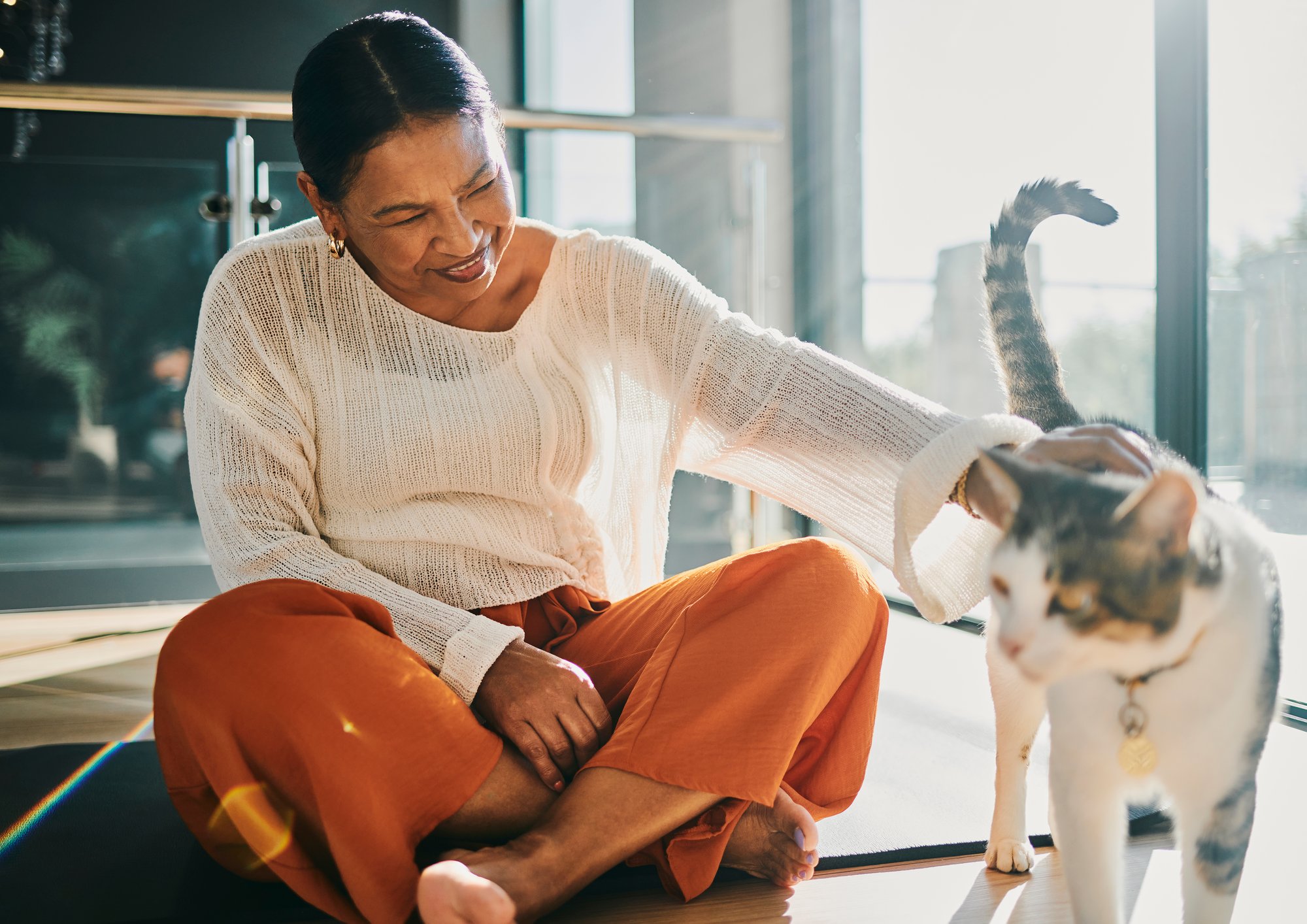
One possible solution–a furry friend.
MEANINGFUL CONNECTIONS
Research shows that pet ownership and human-animal interactions can improve wellbeing and quality of life as people age, enhancing physical, psychological, and social health. This report offers insights into the differences in wellbeing among solo agers who have dogs, cats, or no pets at all, and reveals their perceptions about the benefits and challenges of pet ownership.
PET OWNERSHIP OFFERS MANY BENEFITS FOR SOLO AGERS
Solo agers reported that pet ownership offers many benefits, including enhancing mental health and physical wellbeing. Beyond these broad advantages, pets enrich daily life in specific ways. 73% of owners said their pets give them a greater sense of purpose, 81% reported that pets provide structure or routine to their daily life, and 82% indicated their pets offer emotional support and at times act as a social catalyst.
RESEARCH AUTHOR
Marielena Barbieri, PhD
Senior Research Associate
Dr. Marielena Barbieri is a developmental-health psychologist whose research focuses on the social determinants of health affecting diverse communities. She has dedicated her research to enhancing health equity and improving the wellbeing of individuals across all ages.
Her research explores innovative and non-traditional support systems, such as the role of pets in enhancing the quality of life and wellbeing among older adults. Her work also includes examining diverse perspectives on successful aging from minoritized populations through the Perceptions of Aging Well Among Diverse Older Adults Study. Dr. Barbieri holds a PhD in developmental science and a master’s in social psychology from the University of Massachusetts-Amherst.